The Ministry of Local Government (MoLG) remains the central nervous system in Uganda’s decentralization architecture, steering the mechanisms of governance, accountability, and service delivery at the sub-national level. In the evolving landscape of Uganda’s socio-economic transformation, the Parish Development Model (PDM) emerges as the country’s most ambitious community-based development paradigm; one that redefines the spatial logic of planning and governance by placing the parish at the heart of economic transformation.
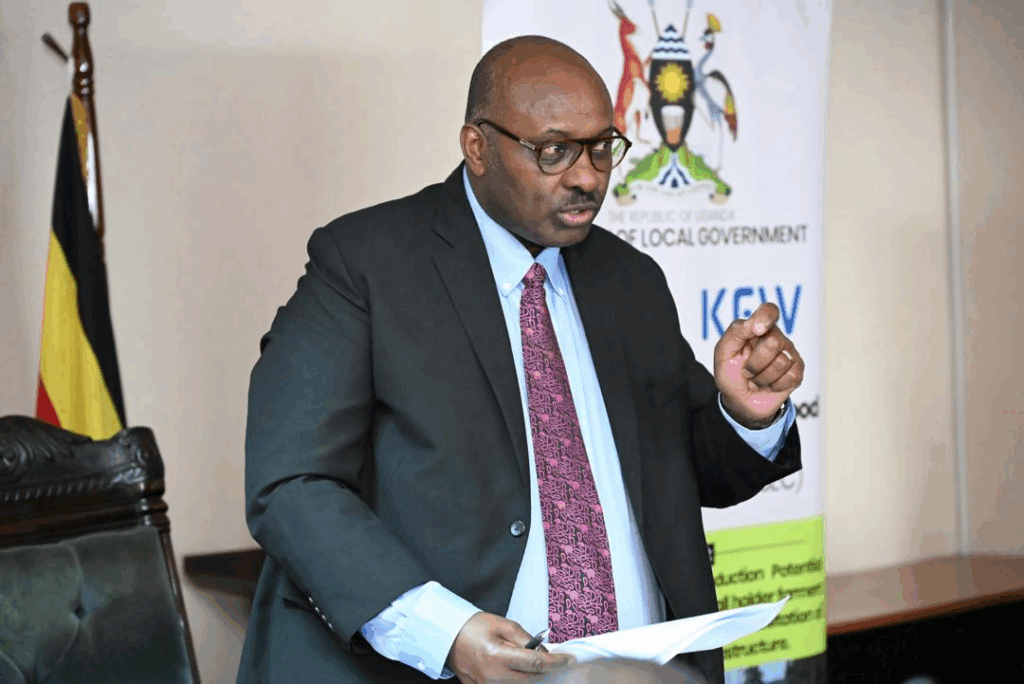
Launched in FY 2021/22, the Parish Development Model represents not merely a policy instrument but a structural reorganization of Uganda’s development delivery mechanism. It operationalizes the whole-of-government approach at the lowest administrative tier, embodying the principle that sustainable transformation can only occur when citizens themselves are the architects and beneficiaries of the development process.
Aligned with Uganda’s Tenfold Growth Strategy and the national aspiration to build a USD 500 billion economy within the next 15 years, the Parish Development Model, particularly under Pillar 7 (Governance and Administration) anchors the institutional reforms necessary for efficiency, transparency, and accountability in local governance. Through this pillar, the Ministry of Local Government strengthens performance systems, aligns local priorities with national goals, and ensures that decentralized planning contributes directly to macroeconomic growth.
The Institutional Architecture of PDM: Dual Pillars of Implementation and Oversight
The operationalization of PDM is structured around two interdependent governance segments: the PDM Secretariat, which manages the programmatic and financial implementation frameworks; and the Ministry of Local Government, whose constitutional mandate (under the Local Governments Act, CAP 243, Sections 95–99) encompasses inspection, monitoring, and support supervision of local government functions.
While the Secretariat oversees the national disbursement and coordination of funds through the seven (7) thematic pillars, the Ministry of Local Government serves as the custodial overseer, ensuring coherence, compliance, and institutional performance across districts and lower local government units. This dual mechanism embodies the checks-and-balances principle, safeguarding the integrity of fiscal transfers, performance monitoring, and community-level outcomes.
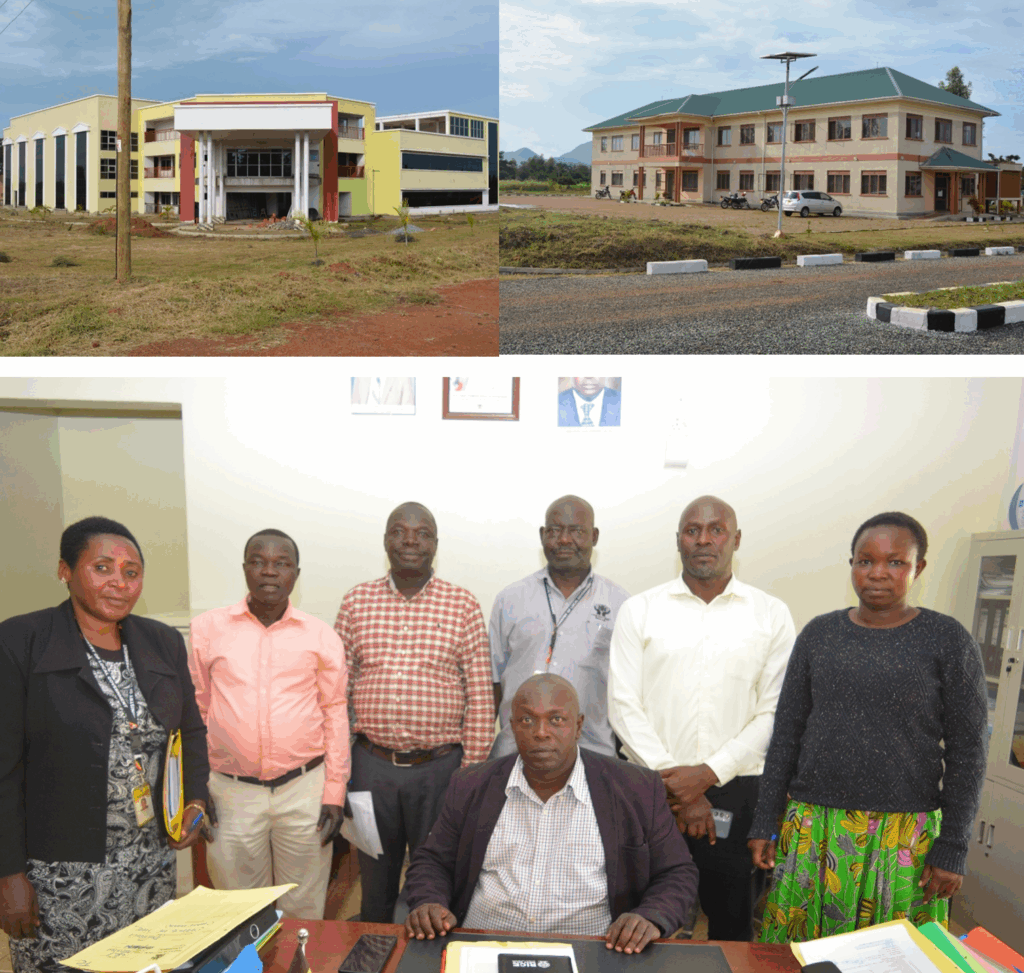
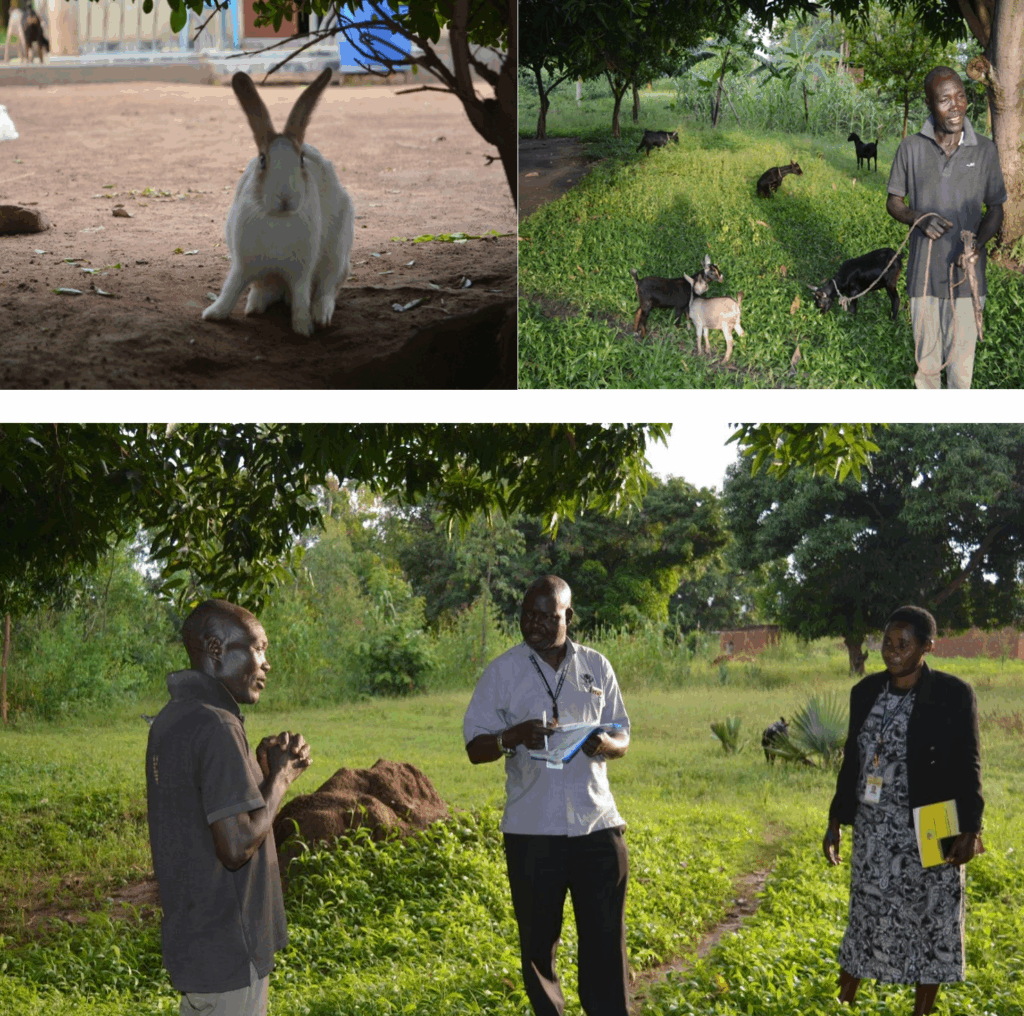
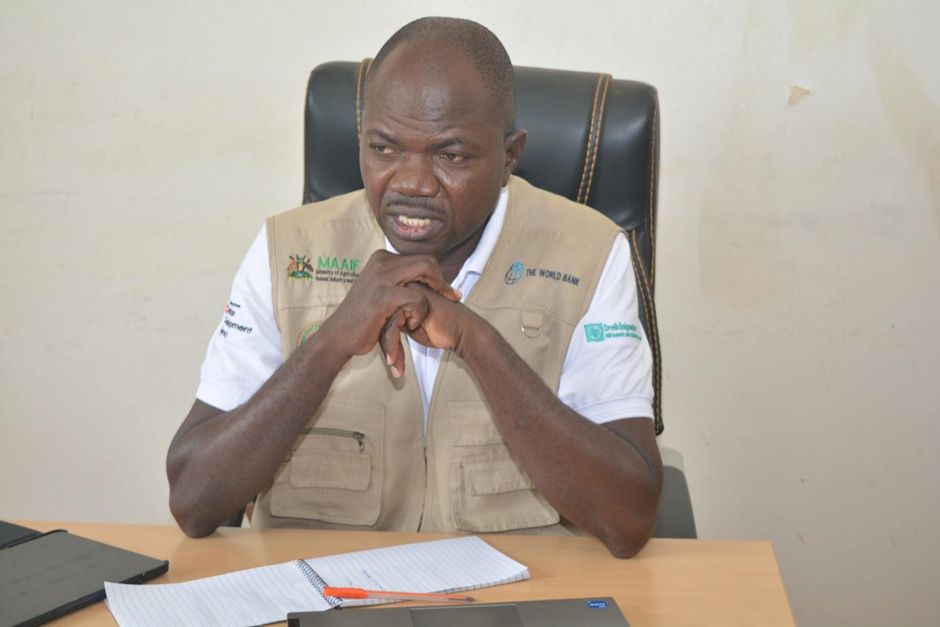
Through rigorous field-based inspections and monitoring exercises such as the recent evaluations in Moyo, Yumbe, Terego, and Zombo District Local Governments, the Ministry evaluates the functionality of governance structures, notably the Parish Development Committees (PDCs), Ward Development Committees (WDCs), and the operational capacity of Parish Chiefs and Ward Agents. These exercises bridge the policy-practice gap by providing real-time diagnostic assessments of PDM performance, fund utilization, and local-level accountability.
The Ministry’s stewardship of PDM Pillar 7 strengthens Uganda’s growth architecture by reinforcing administrative discipline and ensuring that governance systems at the parish level become enablers of productivity and social inclusion – critical building blocks of the Tenfold Growth Strategy.
The Parish as the Epicenter of Decentralized Economic Governance
The re-engineering of the parish as the nucleus of development planning, budgeting, and implementation signifies a paradigm shift in Uganda’s decentralization trajectory. Historically, development planning was top-down, often alienating grassroots realities from macroeconomic priorities. The PDM redefines this trajectory by integrating community agency into state planning frameworks.
Under the PDM framework, 10,589 Parish SACCOs have been capitalized to provide affordable credit to 3,185,390 households, targeting especially the 33% of Ugandans currently outside the money economy. This strategic targeting positions PDM as the economic phase of decentralization designed to transition subsistence households into monetized, productive enterprises through access to low-interest financing, enterprise training, and local value addition.
The disbursement of UGX 3.14 billion to parish-level SACCOs exemplifies the redistributive power of fiscal decentralization in enabling inclusive growth. Yet beyond figures, the PDM’s structural innovation lies in its institutional logic: it transforms the parish from an administrative unit into a microeconomic hub, integrating governance, production, and finance under one localized system.
By reinforcing governance through Pillar 7, the Ministry of Local Government ensures that the gains of PDM translate into sustained productivity, enterprise growth, and equitable wealth creation factors that directly propel Uganda’s Tenfold Growth Strategy and accelerate the journey toward a USD 500 billion economy.
The Supervisory Mandate of the Ministry: Ensuring Integrity and Institutional Performance
In executing its statutory function, the Ministry of Local Government undertakes an integrated inspection and monitoring regime, not merely as an audit exercise but as a development intelligence function. This entails continuous engagement with Chief Administrative Officers (CAOs), Sub-county Chiefs, Town Clerks, and Parish Chiefs to ensure that the multi-layered machinery of local governance operates in synergy with national development frameworks.
The Ministry’s recent inspection reports from Moyo, Yumbe, Terego, and Zombo reveal both commendable progress and systemic constraints. On the positive frontier, PDM Focal Persons such as District Production Officers demonstrate proactive technical guidance in program implementation and fund management. Sub-county teams coordinate effectively to align parish-level priorities with district work plans, embodying the spirit of intergovernmental collaboration.
However, challenges persist, chief among them staffing deficits, where some Parish Chiefs concurrently act as Sub-county Chiefs; digital infrastructure limitations, with officers struggling to access reliable networks for data entry and disbursement transactions; and instances of financial malpractice, where misappropriation of SACCO funds threatens to erode public confidence. The Ministry’s role, therefore, extends beyond oversight to capacity building, addressing governance gaps through training, guidance, and institutional restructuring.
By institutionalizing performance audits, digital supervision, and structured feedback systems under PDM Pillar 7, the Ministry safeguards public resources and ensures that local systems remain efficient engines of transformation directly contributing to the Tenfold Growth vision of sustainable, inclusive, and accountable economic expansion.
PDM as a Vehicle for Inclusive Capital Formation and Social Justice
At its philosophical core, the Parish Development Model embodies the state’s commitment to inclusive capitalism; the democratization of economic participation by empowering the bottom 33% of households previously marginalized by structural poverty. By placing financial instruments directly into the hands of community-based SACCOs, PDM diffuses fiscal power to the grassroots, transforming dependency into productivity.
This bottom-up transformation model is not merely an economic policy; it is a social contract, reaffirming the government’s obligation to bridge income inequalities and build local economic resilience. Through PDM, the Ministry of Local Government institutionalizes citizen-centered governance, where planning, implementation, and accountability converge at the parish level, ensuring that development is not delivered to the people but through the people.
The Ministry’s commitment to strengthening Pillar 7 (Governance and Administration) underpins the social and institutional foundations of Uganda’s Tenfold Growth Strategy. By fostering transparent systems, empowering community institutions, and enforcing accountability, the Ministry guarantees that local transformation aggregates into national growth, laying the groundwork for Uganda’s transition to a USD 500 billion economy in the next 15 years.
Bridging Policy and Practice: The Technical Coordination Role of the Ministry
The Ministry’s approach to support supervision goes beyond compliance enforcement. It integrates capacity development with adaptive policy feedback. By engaging Local Government staff in situational training and dialogue, the Ministry enhances institutional readiness and policy coherence across tiers.
The periodic Pillar 7 Technical Working Group (TWG) meetings consolidate insights from field missions into actionable policy recommendations. This coordination mechanism ensures that PDM’s operational challenges ranging from delayed disbursements to weak reporting systems are escalated for cross-pillar resolution at the national level. In this regard, the Ministry acts as the transmission belt between field realities and policy reforms, converting field data into systemic intelligence that informs national decision-making.
By strengthening governance systems, digital monitoring tools, and accountability frameworks under PDM Pillar 7, the Ministry of Local Government continues to anchor Uganda’s decentralization agenda as a strategic enabler of the Tenfold Growth Strategy, ensuring that every parish, every local government, and every household becomes an active contributor to the vision of a USD 500 billion economy by 2040.

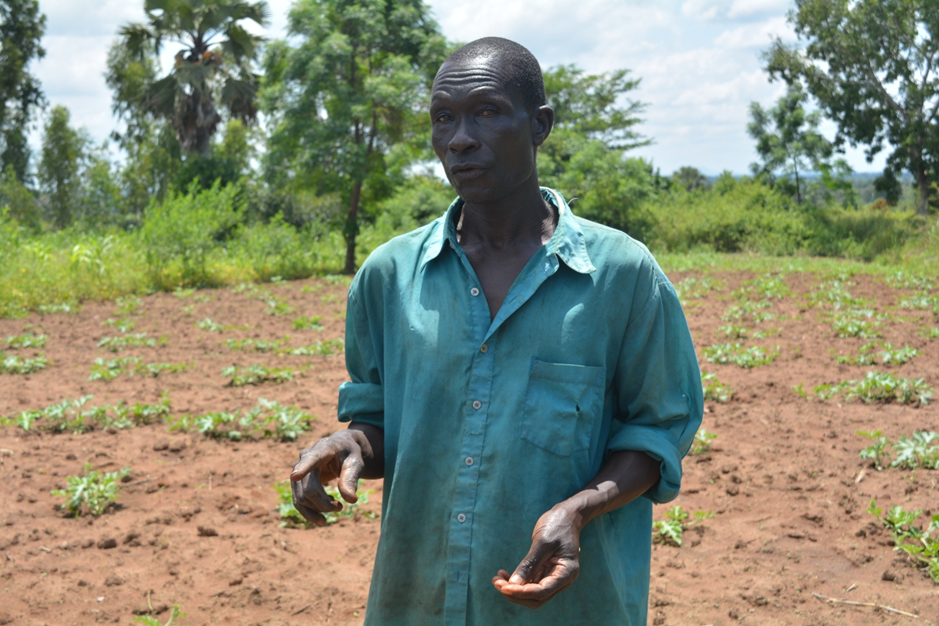
The tangible benefits of this enterprise are clearly visible in his improved quality of life. A direct and significant outcome of his piggery profits is the ongoing construction of a small permanent house, which is nearing completion. Furthermore, the financial security afforded by the business has empowered him to fulfill critical family responsibilities, most notably the consistent payment of his children’s school fees. This case underscores how PDM capital, when effectively invested in a viable enterprise, can directly foster poverty eradication, asset accumulation, and human capital development.
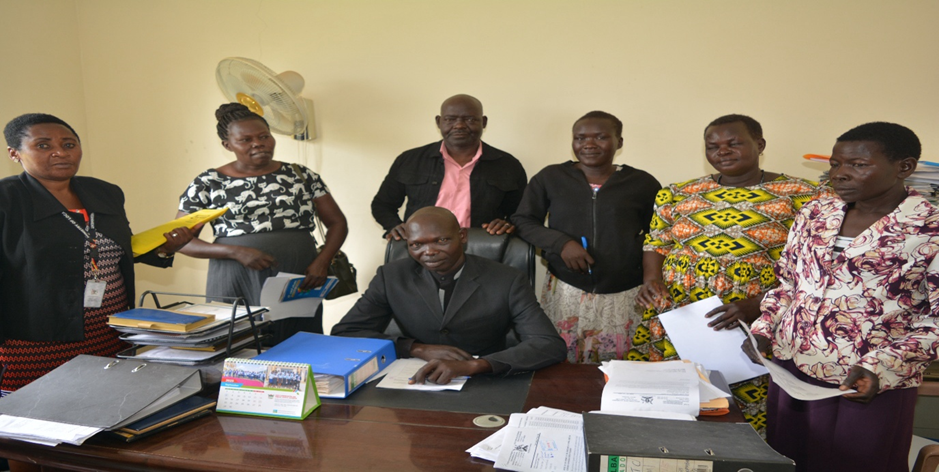

YUMBE DISTRICT
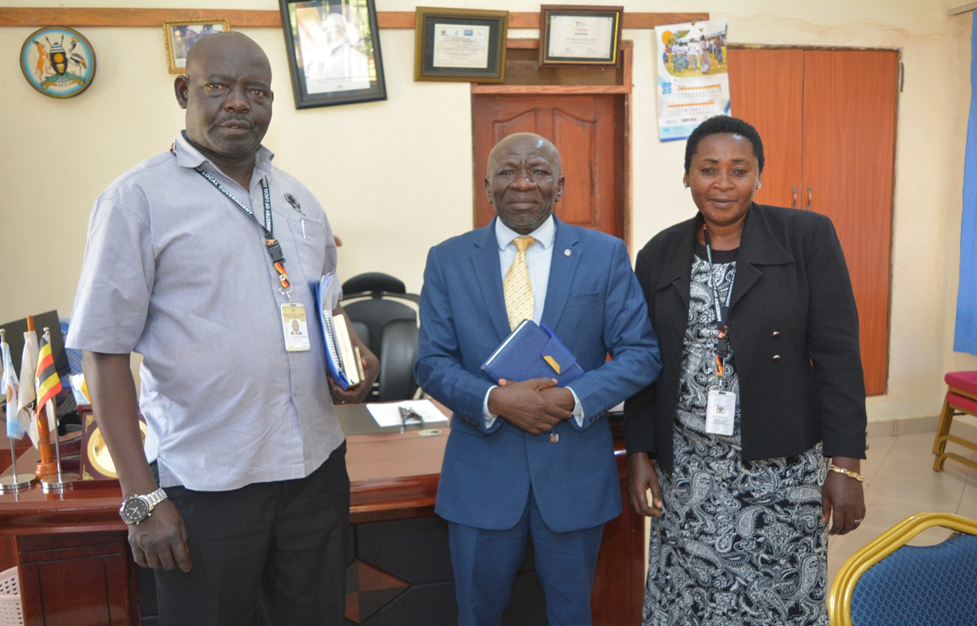

TEREGO DISTRICT
ZOMBO DISTRICT

The Ministry as the Vanguard of Uganda’s Localized Transformation
The Parish Development Model represents a strategic inflection point in Uganda’s developmental history, one that operationalizes the vision of “Leaving No One Behind” through a territorially grounded, fiscally decentralized, and socially inclusive framework.
The Ministry of Local Government, through its inspection, monitoring, and support supervision mandate, functions as the institutional guarantor of this transformation, ensuring that the promise of PDM translates into tangible livelihoods, functional governance, and sustainable community enterprise.
In a world increasingly defined by macroeconomic volatility and social inequality, Uganda’s PDM demonstrates that true development is local. The parish, once an administrative abstraction, is now a living engine of transformation, anchored by the Ministry’s vigilance, the community’s agency, and the state’s unwavering commitment to economic emancipation.